What Colorado’s Energy Transition Could Mean for Mesa County Residents
As the Colorado Legislature begins a new session, state energy policy is once again drawing attention, particularly how quickly Colorado plans to move away from natural gas and toward broader electrification.
Mesa County Commissioners are closely monitoring these discussions to understand what they could mean for local families, housing costs, utility bills and energy reliability.
Colorado has adopted some of the most aggressive energy transitions in the country.
Under rules approved by state regulators, major gas utilities are required to reduce greenhouse gas emissions from gas delivery by 41% by 2035, with a long-term goal of reaching net-zero emissions by 2050. Utilities must submit “clean heat plans” outlining how they will meet those targets, largely by encouraging or incentivizing customers to switch from natural gas appliances to electric alternatives such as heat pumps.
State and federal programs offer rebates and tax credits to help offset the cost of electrification, particularly for income-qualified households. At the same time, utilities have indicated that meeting these requirements will require significant infrastructure investment, with costs ultimately reflected in customer rates.
Mesa County Commissioners support innovation, cleaner technologies and responsible environmental stewardship. They are focused on how statewide policies translate to local realities.
In Mesa County and across the Western Slope, electrification is not a simple switch. Converting homes and businesses from natural gas to electric systems can require major electrical upgrades, driving up upfront costs for homeowners, renters and small businesses.
Infrastructure is another concern. Many parts of Western Colorado do not yet have the electric capacity needed to support large-scale electrification. Until those systems are upgraded, local officials hear directly from residents when utility bills rise or when service reliability becomes an issue.
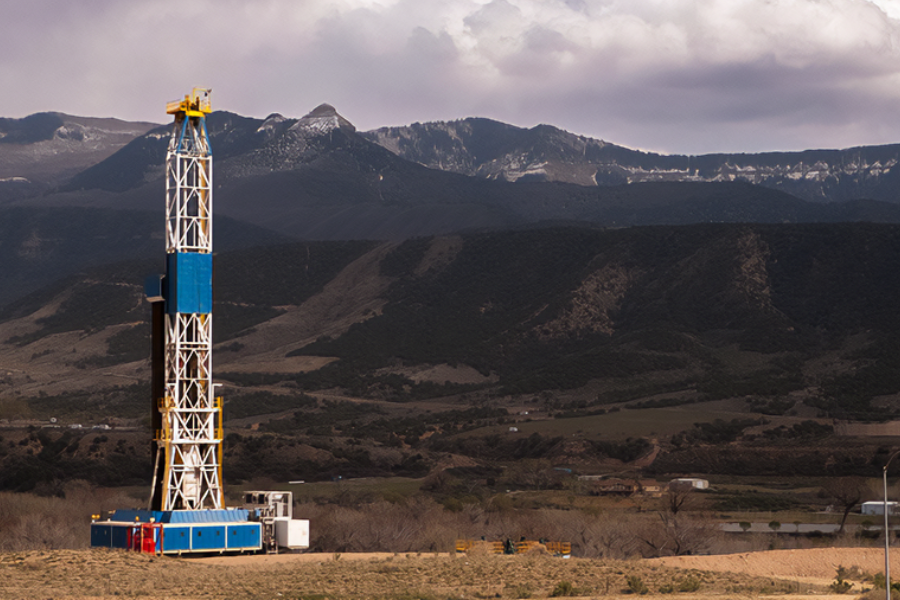
Commissioners are also mindful of broader economic impacts. Natural gas development has long supported local jobs and generated tax revenue that helps fund schools, roads, public safety and other essential services. Any transition away from that resource requires careful planning to avoid unintended consequences for working families and local governments.
Mesa County Commissioners are not opposing Colorado’s long-term energy goals. Instead, they are focused on ensuring the transition is practical, affordable and reliable for local communities by:
- Monitoring proposed legislation and regulatory decisions during the 2026 legislative session
- Communicating with state leaders about regional differences and infrastructure readiness
- Advocating for flexibility that allows rural and mountain communities to align with local conditions
Energy policy decisions made at the state level can affect everyday costs — from monthly utility bills to housing affordability and long-term infrastructure investments. While many details are still being worked out, Mesa County Commissioners believe residents deserve transparency and thoughtful oversight as these changes move forward.
As Colorado charts its energy future, Mesa County leaders will remain engaged and vigilant — focused on protecting reliability, affordability and economic stability for the community they serve.