Seeing the child behind the behavior
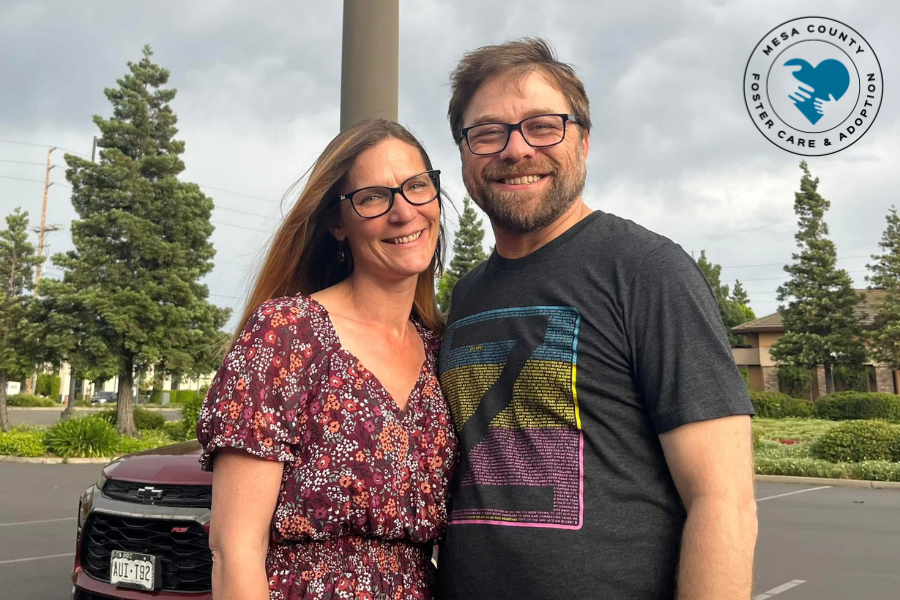
Jacqueline and Jared Schmidt became foster parents because they felt called to provide stability and care for children who need it most. They knew there were kids in their community going through incredibly hard transitions, and they felt they had the capacity and the support to be a safe place for them. They’ve been fostering since 2021, and over time, they found themselves naturally drawn to children with higher behavioral needs.
Understanding High Behavioral Needs
Many of those behaviors, Jacqueline explains, come from trauma, loss or instability. For her family, fostering became about being the adults who didn’t give up when things were hard and seeing the child behind the behavior.
When people hear the phrase high behavioral needs, Jacqueline says they often imagine a child who is aggressive, disruptive or constantly acting out. There’s an assumption that these children are “bad” or intentionally difficult.
In reality, she has seen that high behavioral needs usually reflect a child who has experienced trauma and hasn’t yet had the opportunity to learn healthy ways to cope. Behaviors are often a form of communication, such as expressions of fear, loss, uncertainty or a lack of trust in adults. What these children truly need is more patience, structure and emotional safety.
With consistency, clear boundaries and a great deal of reassurance, Jacqueline has watched those behaviors lessen over time. Understanding the why behind a behavior shifts the focus from managing problems to supporting healing.
Day-to-Day Life
In Jacqueline’s home, routine and predictability are essential. A color‑coordinated schedule is always posted where children can see it, and daily life follows as a consistent rhythm. Knowing what comes next helps lower anxiety and creates a sense of safety.
Progress often appears in quiet, meaningful ways. Jacqueline points to fewer emotional outbursts, better sleep or a child asking for help instead of acting out. These are powerful indicators that a child is beginning to feel secure and supported.
Challenges & Support
One of the hardest parts of fostering children with higher needs, Jacqueline says, is accepting that progress isn’t quick or linear. There are days that feel like one step forward and one step back, and it can be difficult to sit with the reality that not everything can be fixed.
Trauma‑informed care training, behavior support strategies and access to professionals such as caseworkers and therapists have been critical. Online training options have made it easier to continue learning without overwhelming their schedule. These supports help Jacqueline and her family respond with empathy and remind them they are part of a larger team.
A strong support system has proven essential. Other foster parents, family, friends and county resources make it possible to keep going during the hardest moments. Fostering, Jacqueline emphasizes, was never meant to be done alone.
Rewards & Impact
The most rewarding part of fostering children with higher needs has been watching them begin to feel safe and trust again. For children who have experienced instability, even early signs of connection carry enormous meaning.
Jacqueline recalls a moment when a child who once remained guarded finally relaxed, laughed freely and was trusting enough to share her feelings. Another unexpected gift has been maintaining relationships with former foster children who are now part of their extended family. They continue to celebrate milestones together, their village has grown and holidays and events have become richer because of it.
“Children and youth with behavioral and mental health needs that have experienced abuse and neglect need a safe and very specific environment to heal, grow, and recover,” says MCDHS Child Welfare Director Joe Kellerby. “The Schmidt's have opened their homes and their hearts to take on this challenge to give these children the opportunity to do just that. The sacrifice and dedication of the Schmidt's can not be thanked enough and our hope is that our community continues to rise to the challenge of serving those in need.”
Mosaic: Specialized Support
In Western Colorado, Mosaic plays an important role in supporting foster families who care for children with higher behavioral, intellectual, or developmental needs. The partnership between Mesa County Department of Human Services and Mosaic’s Children’s Habilitation Residential Program (CHRP) fills an important gap in the community, especially for children who need more support and for families willing to step into that role.
According to Kelly Britton, Area Director for Mosaic in Western Colorado, it can be challenging to find foster homes who have the resources to support children who have experienced trauma and have intellectual or developmental disabilities. Mosaic’s program supports the caregiver and the child in meaningful ways:
- Children can stay in their home community, rather than being placed far away.
- Long-term stability is possible, as children who transition into adulthood may remain with the same provider through Mosaic at Home if it’s the right fit.
- Caregivers are compensated at professional rates, recognizing the level of care and commitment involved.
Through this partnership, CHRP Foster Homes are certified as a foster parent through Mesa County Department of Human Services while working with Mosaic, who provides wraparound support for both the child and the family, which are similar to the services offered to adults in Mosaic at Home.
Patricia Moncada, Mosaic at Home Manager, shares that children receive services from the start, and caregivers are supported early on. This allows relationships, knowledge and advocacy skills to develop gradually rather than during a rushed transition into adulthood.
Starting early and continuing into adulthood, CHRP Foster Families create stability, professional support and a long-term vision for children with higher needs.
A Call to Care
Children with higher behavioral, intellectual or developmental needs are waiting for caregivers who can offer patience, structure and commitment. They don’t need perfection.
Through the unique partnership between Mesa County Department of Human Services and Mosaic’s Children’s Habilitation Residential Program, foster parents receive professional-level support, training and compensation while making a lasting difference in a child’s life. CHRP Foster Homes allows children to stay in their communities, build long-term relationships and transition into adulthood with dignity.
If you’ve ever felt drawn to foster care but wondered whether you could truly make a difference, know that there is a child who needs exactly what you can offer. When you become a CHRP Foster Home provider, Mesa County Foster Care and Mosaic will walk alongside you every step of the way.
For more information about becoming a CHRP provider with Mosaic in Western Colorado, visit Mosaic’s Western Colorado location or reach out to learn how you can get started.
To learn more about becoming a foster home in Mesa County, please visit us online.